Floral Sewing Machine
A Design That Whispers Craft, Not Shouts It
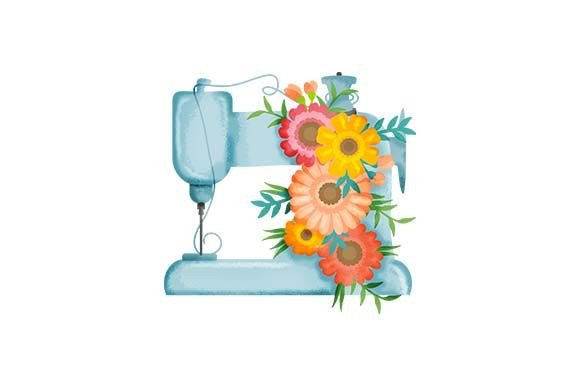
First glance at Floral Sewing Machine — and yes, it’s exactly what the name promises: a vintage-style sewing machine wreathed in soft, unfussy florals. No overblown roses or fussy vines. Just gentle daisies, slender stems, and subtle leaf clusters framing the machine’s silhouette with quiet intention. It feels handmade, not mass-produced — like something you’d sketch in a notebook before stitching it onto your favorite apron. The mood is warm, nostalgic, and quietly confident: perfect for makers who value authenticity over flash.
Where This Design Naturally Lives
I tested Floral Sewing Machine as part of a custom embroidered tote bag line for a local boutique — think natural canvas, medium-weight cotton, minimalist branding. It landed beautifully centered on the front panel, about 4.5" wide. Customers responded immediately: “That’s *me*,” one said. “It says ‘maker’ without saying a word.” That’s the strength here — it doesn’t compete with personality; it supports it. I’ve since used it on sweatshirt pockets (smaller scale), baby onesies (simplified version, no fine stems), and as an embroidered patch sewn onto denim jackets. Each time, it read clearly, felt intentional, and elevated the finished product without overwhelming it.
Real Embroidery Behavior — What Works, What Needs Care
Floral Sewing Machine performs best when treated like a thoughtful accent, not a statement centerpiece. On t-shirts? Yes — but keep it under 3.75" wide to avoid stitch pile-up in the fill areas. On stretchy fabric like jersey? Use a light cutaway stabilizer and reduce stitch density slightly in the floral fill zones. On dark fabric? Avoid white thread for the machine outline unless you’re layering it over a satin-stitch base — otherwise, contrast fades. On curved surfaces like caps? Skip the full design; isolate just the sewing machine silhouette (without delicate petals) for clean hoop clearance and consistent registration.
Where it shines: tea towels, pillow covers, nursery wall hangings, and personalized holiday gifts (think “Stitched with Love — 2024” + Floral Sewing Machine on a linen sachet). It also works well as a subtle logo alternative for craft businesses — especially Etsy sellers whose brand voice leans gentle, skilled, and grounded in tradition.
Fabrics & Finishes to Watch
- Thin fabric: Reinforce with tear-away stabilizer underneath and a light topping — those floral outlines can sink or blur on lightweight muslin or voile.
- Textured fabrics (like burlap or heavy linen): Test first. The fine stem lines may disappear into the weave; consider simplifying or using a running stitch outline instead of satin.
- Layered garments (e.g., quilted baby blankets): Stitch density matters. If the design includes dense fill stitches in the flower centers, reduce density by 10–15% to prevent puckering.
- Frequent-wash items (baby clothes, kitchen towels): Stick to high-quality polyester thread and lock stitches securely. Avoid overly delicate petal tips — they fray faster than broader satin elements.
How It Shapes Perception — And Why That Matters
When customers see Floral Sewing Machine on a finished product, they don’t just register “embroidery.” They register care. Intention. A maker who understands balance — between machine and nature, precision and softness, craft and charm. That perception directly affects perceived value: a $28 tote with this design sells faster than one with generic script, because it feels *chosen*, not slapped on. For Etsy sellers, that translates to better engagement, fewer returns, and repeat buyers who trust your eye.
It also strengthens brand consistency — especially if you use it across multiple product types (e.g., matching aprons and tea towels for a small shop launch). Unlike trendy motifs that date quickly, Floral Sewing Machine has timeless texture. It reads equally well in blackwork on ivory linen or vibrant thread on indigo denim — making it versatile for both printable mockups and real-world production.
Practical Designer Notes Before You Stitch
- Test Floral Sewing Machine on scrap fabric *first* — especially if pairing it with other designs or text.
- Check thread color contrast in both light and dark mockups. Some floral elements vanish on navy unless you adjust thread saturation.
- Review stitch density in the flower centers and machine base — dense fills may need slight reduction for breathable fabrics.
- Confirm hoop size compatibility. The full design likely fits a 5x7 hoop, but verify before hooping expensive fabric.
- Inspect small details: Are petal tips sharp enough to stitch cleanly at your chosen size? Zoom in on the SVG or PNG preview.
- Try a black-and-white version. Does the silhouette hold up? That’s your insurance for embroidery clarity.
- Use appropriate stabilizer — medium-weight cutaway for knits, tear-away for stable wovens, and a light topping for napped fabrics.
- Confirm licensing terms. Since this is a digital embroidery file sold for Crafts and Hobbies, ensure commercial use is permitted if you plan to sell finished products or resell the design assets.
Final Thought: A Quiet Anchor in a Noisy Market
In a landscape flooded with oversized fonts and cartoonish icons, Floral Sewing Machine stands out by stepping back. It doesn’t demand attention — it earns it. Whether you’re building a craft business, personalizing a gift, or adding soul to small shop merchandise, this design functions like a quiet signature: recognizable, repeatable, and deeply resonant. It’s not just another machine embroidery design — it’s a visual shorthand for the love of making, stitched right into the fabric of what you create.